All Categories
Featured
Table of Contents
- – Kinds Of Roof Materials Used
- – Common Roofing Materials Discussed
- – Picking the Right Product: What Matters?
- – Material Comparison at a Glimpse
- – Essential Safety Procedures for Roofers
- – Defending against Falls and Slips
- – The Undetectable Risks: Weather and Material ...
- – Personal Experience in Practice
- – Quick Referral Table: Safety Equipment Must-H...
- – Training and Accreditation: The Bedrock of Kno...
- – Core Parts of Roofing Training
- – Why Accreditation Matters Beyond Compliance
- – Expert Tips for Aspiring Roofers
- – Important Roof Strategies and Precision Tools
- – Strategies That Make a Difference
- – Expert Insights in Action
Kinds Of Roof Materials Used
When you think about the roofing system over your head, have you ever stopped to wonder what stories the shingles or tiles could tell? Roofing materials, picked by competent roofing contractors, are even more than mere shelter elements-- they paint a photo of environment, culture, and workmanship. From the rugged texture of asphalt to the smooth shimmer of metal, each product brings its own tale.
Common Roofing Materials Discussed
Flat Roofing Companies Curtis Bay MDFlat Roof Company In Curtis Bay MD
The Flat Roof Specialists In Curtis Bay MD
Local Flat Roofers In Curtis Bay MD
Flat Roof Installers Near Me In Curtis Bay MD
Not all roof products are created equivalent. Some whisper tales of durability, others boast eco-friendly virtues, while a couple of stand as monoliths to visual appeal. Here's a quick rundown of the most widespread types:
- Asphalt Shingles: The workhorse of roof-- budget friendly, versatile, and commonly utilized. They resemble the reliable boots of a roofing contractor, trustworthy in a lot of climate condition.
- Metal Roofing: Sleek, contemporary, and incredibly resilient. It's the armor that safeguards buildings through years of storms and sunlight.
- Clay and Concrete Tiles: Often spotted on Mediterranean-style homes, these tiles are like classic sculptures-- heavy but attractive, with a life expectancy that rivals a century.
- Wood Shingles and Shakes: For those who prefer a rustic, natural appearance, wood roof includes heat however needs more care and knowledge from roofing professionals.
- Slate: The aristocrat of roofing products, slate's natural stone provides elegance but needs proficient hands to set up effectively.
Picking the Right Product: What Matters?
Is it simply about sturdiness, or does style tip the scales? In some cases, the choice seems like picking a preferred child-- each material offers distinct benefits. Roofers often weigh aspects such as:
- Environment Compatibility: Will the product withstand rain, snow, or blazing sun?
- Installation Complexity: Some products, like slate, demand workmanship honed over years.
- Ecological Effect: With rising awareness, options like recycled metal or sustainably sourced wood gain appeal.
- Aesthetic Harmony: The roof material must sing in tune with the home's architecture.
Material Comparison at a Glimpse
| Material | Toughness | Expense Range | Setup Problem | Environmental Impact |
|---|---|---|---|---|
| Asphalt Shingles | 15-30 years | Low | Easy | Moderate |
| Metal Roof | 40-70 years | Medium | Moderate | High (recyclable) |
| Clay Tiles | 50-100 years | High | Difficult | Low |
| Wood Shingles | 20-40 years | Medium | Moderate | Moderate |
| Slate | 75-200 years | High | Very Tough | Low |
In the end, the option of roofing material is a dance in between practicality and passion. The roofing professionals - Flat Roof Company in Curtis Bay MD who lay these materials down bring technical ability and an artist's eye, crafting not just defense but an enduring legacy for the home underneath
Essential Safety Procedures for Roofers
Ever felt the vertigo sneaking in as you climb that ladder? That's the silent reminder that roof safety isn't just a list-- it's survival. The roofing is a location where one bad move can turn a regular job into a catastrophe. From the moment you step onto a shingle, the danger of falling looms large, however there are methods to tame that threat.
Defending against Falls and Slips
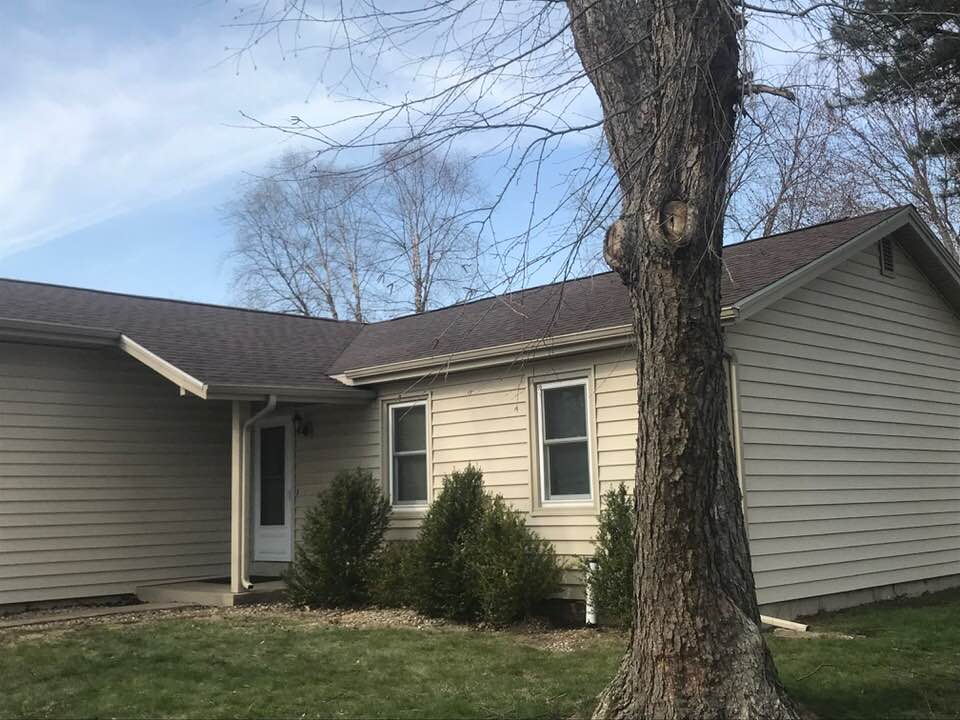
Ask any experienced roofing professional: the most frequent threat is falling-- either from edges or through weak areas. The instinct to rush can be a quiet foe. Here's a professional rundown to keep you consistent:
- Use utilizes with correct anchor points ranked for dynamic loads.
- Inspect every ladder for stability and safe footing before rising.
- Wear shoes with non-slip soles designed particularly for roof surfaces.
- Stay alert for damp or icy spots that can turn a strong action into a slip.
The Undetectable Risks: Weather and Material Handling
Have you ever considered how rapidly a bright day can end up being a roof risk zone? Strong winds can turn loose tools into unsafe projectiles. Dealing with roofing products like shingles or metal sheets demands not just muscle but mindfulness. Keep these suggestions close:
- Anchor tools and products when not in use to avoid them from moving off.
- Schedule work during calm weather windows; wind gusts above 20 mph are a red flag.
- Use gloves designed to enhance grip and protect versus sharp edges.
- Examine roof decking stability before stepping to prevent unanticipated breaks.
Personal Experience in Practice
On one vigorous fall morning, a colleague underestimated a vulnerable point hidden below old shingles. The resulting fall was a stark lesson: never trust what looks strong without a thorough check. Since, a "tap test" with the hammer before placing weight has actually been my routine, revealing hidden rot or damage invisible to the eye.
Quick Referral Table: Safety Equipment Must-Haves
| Gear | Function | Professional Suggestion |
|---|---|---|
| Full-body Harness | Fall arrest and avoidance | Double-check buckles and webbing for wear before each use |
| Roof Boots | Slip resistance and foot defense | Select boots with aggressive tread and water resistance |
| Construction hat | Head impact defense | Replace after any significant effect, even if no damage is visible |
| Gloves | Grip and hand defense | Choose for gloves with strengthened palms and versatility |
- Review of CRG Roofing and Siding in Curtis Bay MD by Wes Hordge: I was very pleased with the roofing job done by the Chesapeake Remodeling Group (CRG). Daniel was great to work with and fully explained all of my options. Any concerns or questions were responded to promptly. The work was completed in one day and cleanup was great. I would highly recommend this company. I would not hesitate to use them again.
- Review of CRG Roofing and Siding in Curtis Bay MD by Ayo Afolabi: Chesapeake Remodeling Group came to inspect my property roof for damages at no cost. The staff were professional and courteous, they took their time to explain details and gave a detailed explanation of findings after the inspection. Great job.
- Review of CRG Roofing and Siding in Curtis Bay MD by Erin Sturgis: It was so nice to work with Dieter! His team handled things with my insurance company and walked me through the process as well. They did replace my roof after we had a little snow storm too. The only thing I noticed that during the replacement with snow on the ground, clean up was not the best. I had several nails, debris and a tool left on my deck. But overall, it was a good process! Thanks!
- Review of CRG Roofing and Siding in Curtis Bay MD by Robert Gonzales: Anton helped my mother and our church get a new roof. He was very professional and communicated with the insurance companies professionally and effectively. I highly recommend Anton and Chesapeake Remodeling. "
- Review of CRG Roofing and Siding in Curtis Bay MD by William Sams: Chesapeake Remodeling Group installed a shingle roof on our Sykesville home. They came when they said they would, our roof was completed in one day as they said it would be and our property was clean when they left. They are very affordable so we can highly recommend Chesapeake Remodeling Group without hesitation if you need roofing work. "
- Review of CRG Roofing and Siding in Curtis Bay MD by Gladis Viviana Artal
Training and Accreditation: The Bedrock of Knowledgeable Roofing Contractors
Ever wonder why some roofers seem to defy gravity, nailing shingles with accuracy while others fail? The secret lies in strenuous training and targeted certification. Hands-on experience alone won't suffice-- training programs are crafted to mimic the unforeseeable nature of roofing work, from unexpected weather condition changes to vulnerable substrates.
Consider this: a roofing contractor once shared how an unanticipated gust nearly turned a day's work into a disaster. Years of training kicked in-- proper anchoring strategies, quick decision-making-- avoiding injury and safeguarding the roof's stability. That's the real value of certification; it's not simply paper, it's a survival toolkit.
Core Parts of Roofing Training
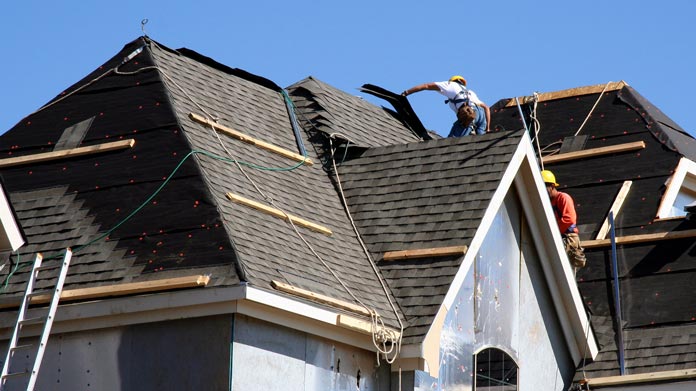
- Safety protocols customized to regional regulations and real-world scenarios
- Product science-- comprehending how various roofing products react to aspects
- Installation techniques that differ by roof type, pitch, and design complexity
- Problem-solving drills including water invasion and structural stress
- Usage of innovative tools and digital measurement systems
Why Accreditation Matters Beyond Compliance
Isn't it curious how a main certificate can increase a roofing professional's credibility, yet its true power is often overlooked? Certification signals mastery, however it also requires ongoing learning. Many programs require routine renewals, guaranteeing roofers stay current with evolving market standards and ingenious products.
Expert Tips for Aspiring Roofers
- Look for training that includes both class theory and comprehensive fieldwork
- Practice using varied roofing materials-- what deal with asphalt shingles will not on metal or slate
- Focus on discovering fall protection systems; they're lifesavers more than simply regulations
- Network with qualified roofers-- mentorship speeds up skill acquisition
- Regularly evaluation local building regulations; they're the silent framework assisting your every nail
Would you trust your home's shelter to somebody who skips this critical action? The roofing isn't just a cover; it's a complicated system demanding regard, ability, and above all, proper training and accreditation.
Important Roof Strategies and Precision Tools
Curtis Bay, Maryland, is a vibrant waterfront community located in the south part of Baltimore City, with geographic coordinates approximately 39.2307° N latitude and 76.6171° W longitude. This neighborhood is situated along the western shore of the Patapsco River, providing key access to the Baltimore Harbor and the Chesapeake Bay. Curtis Bay covers an area of approximately 1.3 square miles and is known for its manufacturing history combined with residential zones. Historically, Curtis Bay developed as an industrial hub, featuring large facilities such as the Curtis Bay Coast Guard Yard and several shipping terminals. The Curtis Bay Yard is one of the most extensive Coast Guard maintenance and logistics facilities in the United States, playing a vital role in maritime safety and security. Additionally, the area hosts notable port operations, including bulk cargo handling, which contribute to Baltimore’s economy. The neighborhood’s demographic profile, according to recent census data, comprises approximately 8,000 residents. The population is diverse, with a racial composition of about 60% African American, 30% White, and a growing Hispanic community making up around 5%. The median household income in Curtis Bay is estimated at around $38,000, below the Baltimore city average, reflecting its working-class roots. The area faces challenges related to industrial pollution, but community initiatives are actively working towards environmental improvement and neighborhood revitalization. Points of interest include the nearby Curtis Bay Park, offering recreational spaces and waterfront views, and the nearby Baltimore Museum of Industry, which highlights the city’s industrial heritage. The community benefits from public transportation access via the Maryland Transit Administration, including bus routes connecting Curtis Bay to downtown Baltimore. Educational institutions in the vicinity serve local families, and ongoing development projects aim to enhance housing and public amenities. Curtis Bay’s unique blend of industrial significance, historical depth, and community resilience makes it a notable and important sector of Baltimore City.
Ever questioned why some roofs withstand the rage of storms while others fail? The response lies deep in the mastery of roofing techniques and the tools wielded by competent roofers. Take, for example, the art of shingle alignment. It's not almost laying shingles in cool rows; it's about understanding the subtle play of wind, rain, and sun direct exposure. Misaligned shingles can welcome leakages, which frequently sneak in undetected till the damage is irreparable.
When it concerns tools, a roofing professional's tool kit is a treasure chest of accuracy instruments. The simple roof hammer isn't just for pounding nails-- it's designed with a magnetic nail holder that speeds up work on high slopes, keeping safety and performance in harmony. And then there's the chalk line tool, a basic string that marks perfectly straight lines. Without it, even the most skilled roofing professional may have a hard time to preserve symmetry throughout a sprawling surface.
Flat Roof Specialist In Curtis Bay MDCommercial Flat Roof Contractors In Curtis Bay MD
High Point Flat Roofing Repair In Curtis Bay MD
Flat Roof Contractors In Curtis Bay MD
Roofing Repairs In Curtis Bay MD
Strategies That Make a Difference
- Step flashing: Vital for sealing joints in between roofing and vertical surfaces like chimneys or walls, avoiding water ingress in those susceptible areas.
- Ice and water guard installation: Applied underneath shingles at eaves and valleys, this membrane guards against ice dams and wind-driven rain.
- Correct nailing patterns: Not all nails are created equivalent, and neither are their placements. Too couple of nails, or poorly positioned, can cause shingles to loosen prematurely.
Expert Insights in Action
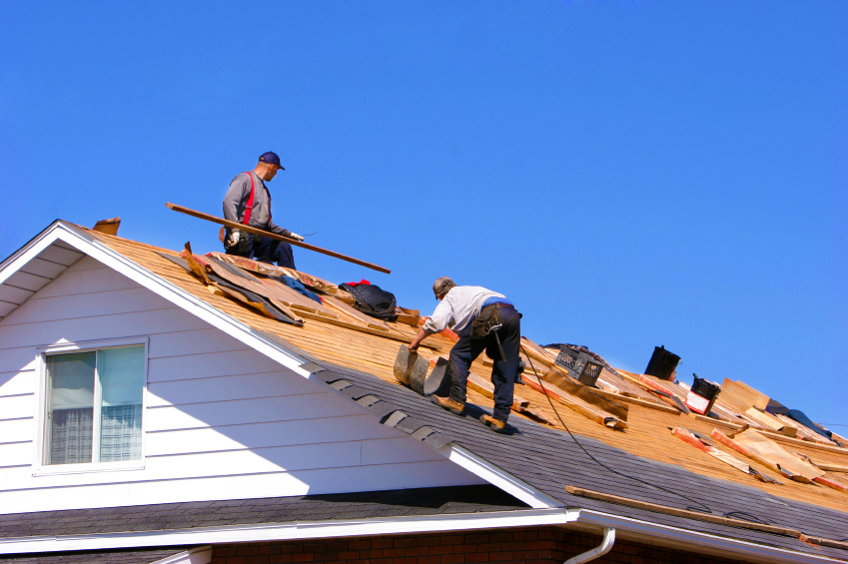
One memorable job involved a steep-pitched roofing where conventional ladder access was difficult. Utilizing a roof harness system and specialized roof jacks, the group worked safely on near-vertical surface areas, a testimony to how safety equipment changes daunting tasks into workable ones. Have you ever stopped briefly to consider just how much the ideal tool can improve both quality and morale on a job website?
| Tool | Purpose | Pro Suggestion |
|---|---|---|
| Roofing Hatchet | Driving nails, cutting shingles | Use the hammer side to tap carefully to avoid splitting shingles |
| Utility Knife | Cutting roofing materials | Modification blades often to make sure clean cuts |
| Air Nailer | Speedy and constant nailing | Examine atmospheric pressure regularly to avoid over-penetration |

Table of Contents
- – Kinds Of Roof Materials Used
- – Common Roofing Materials Discussed
- – Picking the Right Product: What Matters?
- – Material Comparison at a Glimpse
- – Essential Safety Procedures for Roofers
- – Defending against Falls and Slips
- – The Undetectable Risks: Weather and Material ...
- – Personal Experience in Practice
- – Quick Referral Table: Safety Equipment Must-H...
- – Training and Accreditation: The Bedrock of Kno...
- – Core Parts of Roofing Training
- – Why Accreditation Matters Beyond Compliance
- – Expert Tips for Aspiring Roofers
- – Important Roof Strategies and Precision Tools
- – Strategies That Make a Difference
- – Expert Insights in Action
Latest Posts
Best Flat Roofers in Curtis Bay MD: Professional Roof Specialists Ensure Your Home Remains Safe And Weatherproof
The Flat Roof Specialists in Jessup MD: We Concentrate On Installing New Low-Slope Roof For Residences And Services
Flat Roofing Companies Dayton MD: Top Roof Specialists Provide Quality Craftsmanship And Resilient Solutions For Every Single Home
More
Latest Posts
Best Flat Roofers in Curtis Bay MD: Professional Roof Specialists Ensure Your Home Remains Safe And Weatherproof
The Flat Roof Specialists in Jessup MD: We Concentrate On Installing New Low-Slope Roof For Residences And Services