All Categories
Featured
Table of Contents
- – Types of Roofing Materials Utilized
- – Common Roofing Products Explained
- – Picking the Right Product: What Matters?
- – Product Contrast at a Look
- – Important Safety Protocols for Roofing Profess...
- – Defending against Falls and Slips
- – The Unnoticeable Dangers: Weather and Materia...
- – Personal Experience in Practice
- – Quick Referral Table: Security Gear Must-Haves
- – Training and Certification: The Bedrock of Ski...
- – Core Parts of Roofing Training
- – Why Certification Matters Beyond Compliance
- – Specialist Tips for Aspiring Roofers
- – Essential Roofing Techniques and Accuracy Tools
- – Strategies That Make a Difference
- – Expert Insights in Action
Types of Roofing Materials Utilized
When you consider the roofing system over your head, have you ever stopped to wonder what stories the shingles or tiles could inform? Roofing materials, chosen by proficient roofers, are even more than simple shelter elements-- they paint an image of climate, culture, and craftsmanship. From the rugged texture of asphalt to the streamlined shimmer of metal, each material brings its own tale.
Common Roofing Products Explained
Flat Roof Replacement In Harford County MDFlat Roof Specialist In Harford County MD
Flat Roof Replacement Contractor In Harford County MD
Commercial Flat Roof Repair Harford County MD
Roofing Companies In Harford County MD
Not all roof materials are developed equivalent. Some whisper tales of sturdiness, others boast eco-friendly virtues, while a couple of stand as monoliths to visual appeal. Here's a quick rundown of the most common types:
- Asphalt Shingles: The workhorse of roof-- budget friendly, versatile, and widely used. They resemble the reliable boots of a roofing professional, trustworthy in many weather.
- Metal Roofing: Sleek, contemporary, and incredibly durable. It's the armor that protects structures through years of storms and sunshine.
- Clay and Concrete Tiles: Typically spotted on Mediterranean-style homes, these tiles resemble ageless sculptures-- heavy however distinctive, with a lifespan that equals a century.
- Wood Shingles and Shakes: For those who choose a rustic, natural appearance, wood roofing adds heat but needs more care and know-how from roofing professionals.
- Slate: The aristocrat of roof materials, slate's natural stone provides elegance but requires proficient hands to install appropriately.
Picking the Right Product: What Matters?
Is it simply about toughness, or does design tip the scales? Often, the decision seems like picking a preferred kid-- each material provides special advantages. Roofing contractors typically weigh elements such as:
- Environment Compatibility: Will the product stand up to rain, snow, or blazing sun?
- Installation Intricacy: Some products, like slate, need craftsmanship refined over years.
- Ecological Impact: With increasing awareness, choices like recycled metal or sustainably sourced wood gain appeal.
- Visual Consistency: The roofing material need to sing in tune with the home's architecture.
Product Contrast at a Look
| Material | Durability | Expense Range | Setup Problem | Ecological Effect |
|---|---|---|---|---|
| Asphalt Shingles | 15-30 years | Low | Easy | Moderate |
| Metal Roofing | 40-70 years | Medium | Moderate | High (recyclable) |
| Clay Tiles | 50-100 years | High | Tough | Low |
| Wood Shingles | 20-40 years | Medium | Moderate | Moderate |
| Slate | 75-200 years | High | Very Difficult | Low |
In the end, the option of roof material is a dance in between practicality and enthusiasm. The roofing professionals - Flat Roofing Contractors Near Me in Harford County MD who lay these materials down bring technical skill and an artist's eye, crafting not just security but a lasting tradition for the home underneath
Important Safety Protocols for Roofing Professionals
Ever felt the vertigo creeping in as you climb up that ladder? That's the quiet tip that roofing security isn't just a checklist-- it's survival. The roof is a location where one mistake can turn a regular job into a disaster. From the minute you step onto a shingle, the danger of falling looms big, however there are ways to tame that risk.
Defending against Falls and Slips

Ask any skilled roofer: the most regular danger is falling-- either from edges or through weak points. The instinct to rush can be a quiet adversary. Here's a specialist rundown to keep you constant:
- Use utilizes with proper anchor points ranked for vibrant loads.
- Inspect every ladder for stability and protected footing before ascending.
- Wear shoes with non-slip soles created specifically for roof surfaces.
- Stay alert for wet or icy spots that can turn a strong step into a slip.
The Unnoticeable Dangers: Weather and Material Handling
Have you ever contemplated how quickly a sunny day can become a roof risk zone? Strong winds can turn loose tools into dangerous projectiles. Managing roofing materials like shingles or metal sheets demands not just muscle but mindfulness. Keep these suggestions close:
- Anchor tools and materials when not in usage to avoid them from sliding off.
- Arrange work throughout calm weather windows; wind gusts above 20 mph are a warning.
- Use gloves developed to improve grip and secure against sharp edges.
- Inspect roofing system decking integrity before stepping to prevent unforeseen breaks.
Personal Experience in Practice
On one vigorous fall early morning, a colleague ignored a weak point hidden below old shingles. The resulting fall was a stark lesson: never ever trust what looks strong without an extensive check. Ever because, a "tap test" with the hammer before placing weight has actually been my ritual, revealing hidden rot or damage invisible to the eye.
Quick Referral Table: Security Gear Must-Haves
| Gear | Function | Professional Pointer |
|---|---|---|
| Full-body Harness | Fall arrest and avoidance | Double-check buckles and webbing for wear before each use |
| Roof Boots | Slip resistance and foot protection | Pick boots with aggressive tread and water resistance |
| Construction hat | Head impact security | Replace after any significant effect, even if no damage shows up |
| Gloves | Grip and hand security | Choose gloves with strengthened palms and flexibility |
- Review of CRG Roofing and Siding in Harford County MD by Diane McNally: CRG did an excellent job replacing our roof. They throughly explained the removal and replacement process and the GAF roof system. The team showed up on time, were professional and cleaned up all the debris. We would definitely recommend them.
- Review of CRG Roofing and Siding in Harford County MD by Maura Stepanski: They did a fantastic job replacing my fascia board! Looks like a new house. See the before and after photos!
- Review of CRG Roofing and Siding in Harford County MD by Don: Very helpful for my situation with my leaking roof.The crew was professional and the roof looks good. Would highly recommend .
- Review of CRG Roofing and Siding in Harford County MD by Cnris Marsellas: Excellent professional work! Nuff said!
- Review of CRG Roofing and Siding in Harford County MD by Sucram Nosnits
- Review of CRG Roofing and Siding in Harford County MD by Abdelyllah Elfernani ""
- Review of CRG Roofing and Siding in Harford County MD by Dr. Derren Thompson: From start to finish Carlo and his team showed up and took care of my roof. They worked with the insurance company answering questions while I was right there. I love the roof and the process was as easy as 123. I think what I appreciated most was the care and customer service. The quality of the materials and the prompt and seamless install was a plus as well. No games and no gimmicks with Chesapeake. If you need to roof, call them today!!!!
Training and Certification: The Bedrock of Skilled Roofing Contractors
Ever question why some roofing professionals seem to levitate, nailing shingles with precision while others fail? The secret lies in extensive training and targeted accreditation. Hands-on experience alone will not cut it-- training programs are crafted to imitate the unpredictable nature of roofing work, from sudden weather changes to delicate substrates.
Consider this: a roofer once shared how an unexpected gust nearly turned a day's work into a catastrophe. Years of training began-- correct anchoring techniques, fast decision-making-- avoiding injury and protecting the roofing system's stability. That's the real worth of certification; it's not simply paper, it's a survival toolkit.
Core Parts of Roofing Training
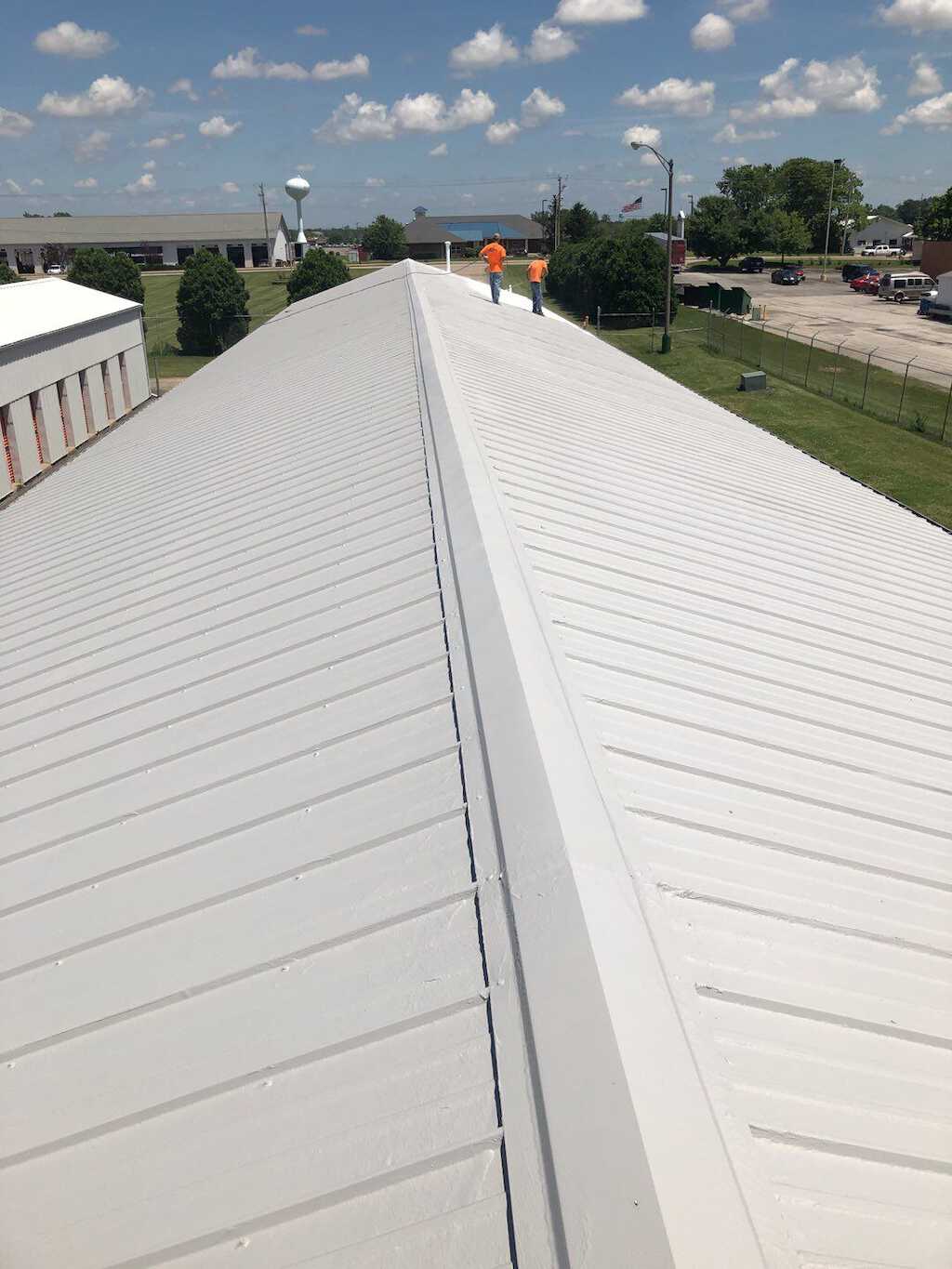
- Security protocols customized to local policies and real-world circumstances
- Product science-- comprehending how different roof products react to aspects
- Installation methods that vary by roofing type, pitch, and design intricacy
- Analytical drills including water invasion and structural tension
- Use of advanced tools and digital measurement systems
Why Certification Matters Beyond Compliance
Isn't it curious how an official certificate can boost a roofing contractor's credibility, yet its true power is typically ignored? Certification signals mastery, but it likewise requires continuous learning. Numerous programs need routine renewals, making sure roofing contractors stay current with developing industry standards and ingenious materials.
Specialist Tips for Aspiring Roofers
- Look for training that includes both class theory and extensive fieldwork
- Practice utilizing different roofing materials-- what works on asphalt shingles won't on metal or slate
- Focus on learning fall defense systems; they're lifesavers more than simply guidelines
- Network with licensed roofing contractors-- mentorship accelerates ability acquisition
- Regularly review regional building codes; they're the quiet framework assisting your every nail
Would you trust your home's shelter to someone who avoids this important step? The roof isn't simply a cover; it's a complex system requiring respect, skill, and above all, correct training and accreditation.
Essential Roofing Techniques and Accuracy Tools
Harford County, MD is situated in the northeastern part of the state, with coordinates around 39.5351° N latitude and 76.3497° W longitude. Covering an area of about 527 square miles, it borders Pennsylvania to the north and the Chesapeake Bay to the south. The county seat is Bel Air, which serves as the county center. As of the 2020 U.S. Census, Harford County has a population of approximately 260,000 residents. The demographic breakdown shows a mostly White population near 80%, with African American residents comprising roughly 12%, Asians approximately 2.5%, and Hispanic or Latino individuals making up almost 5% of the population. The median household income is estimated to be around $88,000, reflecting a comparatively prosperous community compared to state and national averages. The county has a blend of suburban and rural areas, with a population density of about 493 people per square mile. Harford County is recognized for its historical significance and natural beauty. Notable points of interest include the Aberdeen Proving Ground, a important U.S. Army installation established in 1917, which plays a major role in the local economy and community. The county also boasts several historic sites such as the Liriodendron Mansion, the Havre de Grace Maritime Museum, and the Susquehanna State Park, which offers 2,600 acres of forest and riverfront for outdoor recreation including hiking, fishing, and boating. Transportation infrastructure includes major highways such as Interstate 95 and U.S. Route 40, providing important access to Baltimore and Philadelphia. The county is served by Harford Transit LINK, offering public transportation options. Education is supported by Harford County Public Schools, with over 40 schools serving the area, alongside higher education institutions like Harford Community College. Harford County combines suburban growth with protected natural areas, making it a desirable location for families, military personnel, and outdoor enthusiasts alike.
Ever questioned why some roofing systems endure the rage of storms while others fail? The answer lies deep in the proficiency of roof methods and the tools wielded by skilled roofing contractors. Take, for example, the art of shingle positioning. It's not just about laying shingles in neat rows; it's about comprehending the subtle play of wind, rain, and sun direct exposure. Misaligned shingles can welcome leakages, which typically creep in unnoticed until the damage is irreversible.
When it concerns tools, a roofing contractor's toolbox is a treasure chest of precision instruments. The modest roof hammer isn't just for pounding nails-- it's developed with a magnetic nail holder that accelerates deal with steep slopes, keeping safety and performance in consistency. And after that there's the chalk line tool, a simple string that marks perfectly straight lines. Without it, even the most experienced roofer may struggle to preserve proportion throughout a vast surface.
Flat Roof Installers Near Me In Harford County MDFlat Roof Repair And Replacement In Harford County MD
Flat Roof Repair Companies In Harford County MD
Flat Roofing In Harford County MD
Flat Roofers Harford County MD
Strategies That Make a Difference
- Action flashing: Vital for sealing joints between roof and vertical surfaces like chimneys or walls, preventing water ingress in those susceptible areas.
- Ice and water shield installation: Applied beneath shingles at eaves and valleys, this membrane guards versus ice dams and wind-driven rain.
- Proper nailing patterns: Not all nails are developed equal, and neither are their placements. Too couple of nails, or improperly positioned, can trigger shingles to loosen prematurely.
Expert Insights in Action
One unforgettable job involved a steep-pitched roof where standard ladder gain access to was impossible. Utilizing a roof harness system and specialized roofing jacks, the team worked securely on near-vertical surfaces, a testimony to how safety gear changes daunting tasks into workable ones. Have you ever paused to think about how much the best tool can improve both quality and morale on a job site?
| Tool | Function | Pro Idea |
|---|---|---|
| Roofing Hatchet | Driving nails, cutting shingles | Utilize the hammer side to tap carefully to prevent breaking shingles |
| Utility Knife | Cutting roofing materials | Modification blades often to guarantee clean cuts |
| Air Nailer | Quick and constant nailing | Inspect air pressure routinely to avoid over-penetration |

Table of Contents
- – Types of Roofing Materials Utilized
- – Common Roofing Products Explained
- – Picking the Right Product: What Matters?
- – Product Contrast at a Look
- – Important Safety Protocols for Roofing Profess...
- – Defending against Falls and Slips
- – The Unnoticeable Dangers: Weather and Materia...
- – Personal Experience in Practice
- – Quick Referral Table: Security Gear Must-Haves
- – Training and Certification: The Bedrock of Ski...
- – Core Parts of Roofing Training
- – Why Certification Matters Beyond Compliance
- – Specialist Tips for Aspiring Roofers
- – Essential Roofing Techniques and Accuracy Tools
- – Strategies That Make a Difference
- – Expert Insights in Action
Latest Posts
Best Flat Roofers in Curtis Bay MD: Professional Roof Specialists Ensure Your Home Remains Safe And Weatherproof
The Flat Roof Specialists in Jessup MD: We Concentrate On Installing New Low-Slope Roof For Residences And Services
Flat Roofing Companies Dayton MD: Top Roof Specialists Provide Quality Craftsmanship And Resilient Solutions For Every Single Home
More
Latest Posts
Best Flat Roofers in Curtis Bay MD: Professional Roof Specialists Ensure Your Home Remains Safe And Weatherproof
The Flat Roof Specialists in Jessup MD: We Concentrate On Installing New Low-Slope Roof For Residences And Services